
The Psychosocial Dynamics of Social Media Use and Their Implications on Mental Health
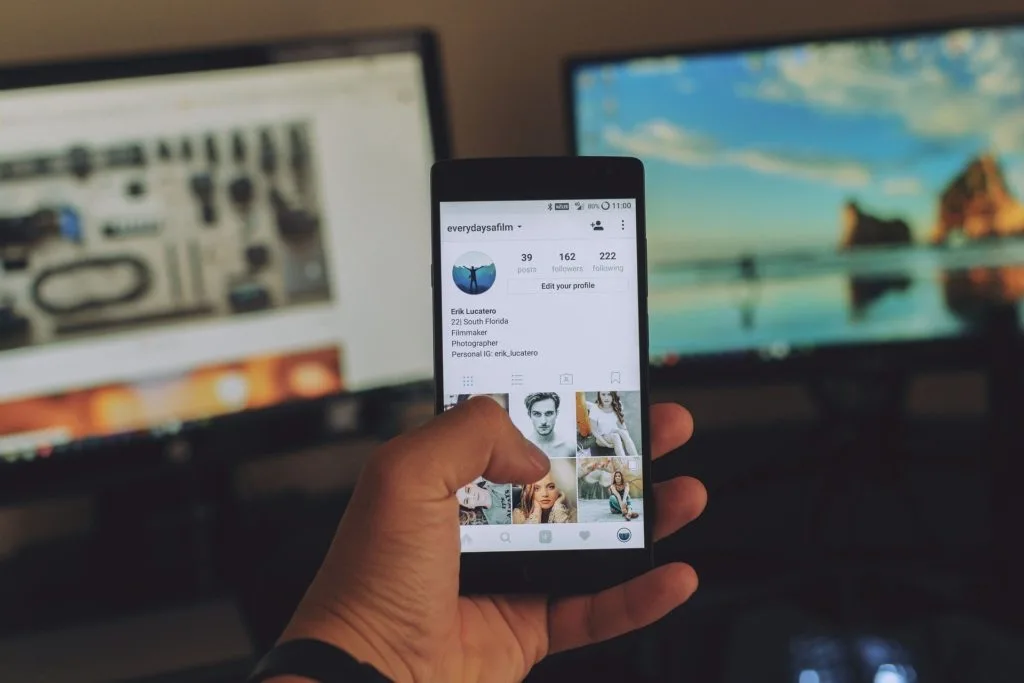
With the rapid advancements in technology, social media has become an increasingly important and dominant form of human social interaction and communication. Likes, comments and retweets are now a form of social acceptance that huge populations are striving to receive.[1] This advancement brings about many changes to human behaviour and psychology, including but not limited to social media addiction, increased social comparison, fear of missing out (FoMO), selective self-representation endeavours, changes in self-esteem and mental health disorders such as depression and anxiety.[1]-[2]
Social Media as a Tool for Social Comparison
Social media provides a glimpse into a high volume of individuals’ lives and therefore, acts as an easy tool for social comparison. This can occur in two different directions; upward social comparison takes place when an individual compares themselves with someone with higher ability, status or better performance whereas downward social comparison occurs when an individual compares themselves with someone with lower ability, status or worse performance.
The motivation behind social comparison through social media can be explained by the Social Comparison Theory which suggests that humans exhibit a need to constantly evaluate their opinions and abilities, and that this can be done through social means when non-social means are not available.[3] In line with this statement, humans tend to make social comparisons of life success, happiness and desirability which are vaguely defined criteria without acknowledged non-social measures. Social media supports easier assessments of these criteria by providing a quantitative tool for social comparison such as the number of likes, comments and followers.
Nonetheless, social media does not always support a fair comparison between individuals. Users tend to selectively share the more positive and desirable aspects of their lives. This may lead to an unrealistic gratification of these users’ lives, leading to a deceptive and unfair self-evaluation of the individuals comparing themselves with such users. Supporting this, frequent and long-term Facebook users were found to idealise others’ lives and believe that life is unfair. The thought patterns were more likely to emerge when the individual maintained interaction with others exclusively through social media,[4] depriving the individual of the raw and real impressions formed through face-to-face communication.
Social media might promote unfair social comparisons and self-devaluation in other ways as well. Comparisons with those with very different lifestyles do not lead to a meaningful and sound evaluation of one’s own abilities and opinions.[3] In the offline world, humans tend to compare themselves with those living similar lives because they usually get to know people at work or school settings, in their own neighbourhood or through existing connections, which increases the likelihood that they have a common education level, socioeconomic status and lifestyle. On the other hand, social media connects people with diverse backgrounds and abundant lifestyles; whenever humans access information about another person, they evaluate it by relating it to themselves, leading to a social comparison.[5] An average person has the opportunity to follow a celebrity’s life and take their extreme levels of success as a standard to evaluate theirs, which might result in an extreme devaluation of their own self. In upward social comparison, humans try to reduce the discrepancy between themselves and the subject of comparison.[3] In this case, the discrepancy between a celebrity and an average citizen is unlikely to be compensated which might cause the individual to feel inferior, worthless or dissatisfied with their own lives and have unrealistic expectations about how it should be instead.
The Implications of Social Comparison on Self-Esteem
Social comparison on social media has different effects on self-esteem as a momentary state versus as a personality trait, depending on the intensity of exposure (chronic vs. occasional) to upward social comparison.[1] Chronic upward social comparison might harm an individual’s self-esteem by inducing feelings of inadequacy and inferiority. However, baseline self-esteem may also determine the motivation behind social media use and habit, as a study has found that people with initially lower self-esteem have a higher tendency to compare themselves with others on social media.[6] The direction of causality is unclear, but an upward social comparison on social media and lower self-esteem are likely to be interrelated.
Self-Representation and Social Support on Social Media
Self-representation on social media serves to promote social support and social capital through likes, comments, follows and other forms of interactions.[7] It has been found that some students studying abroad exhibit a strong urge to present their life to others in a desirable light to promote social capital, receive better social support and promote jealousy among their followers.[7] In this example, selective self-representation on social media is an attempt to become the “superior” in another user’s upward social comparison. Individuals are exposed to both negative and positive situations in their daily lives, but they are only exposed to the positive in other users’ lives, which results in a biased and unfair social evaluation of the self. Selective self-representation can be a rewarding experience, leading to increased social support.[8] Honest self-representation, on the other hand, is associated with reduced social support.[8] Selective representation on social media is therefore likely to remain a dominant behaviour among users.
Social Media and Mental Health
Social media use is being held accountable for the rise in mental health disorders, as studies associate more time spent on social media with an increased likelihood of poor mental health, psychological distress and even suicidal ideation.[9]-[10] Limiting social media usage to 30 minutes a day has resulted in significantly reduced loneliness, depression, FoMO and anxiety after three weeks.[11] A systematic review concluded that there is a general correlation between social media use and mental health disorders such as depression and anxiety.[2]
Social media is also introducing new concerns relating to well-being. The term “FoMO”, defined as “the preoccupation of the users of social media about lost opportunities when they are offline or unable to connect and communicate as wished”,[12] has become a frequently used expression with the increasing importance of social media in human social interaction and communication. Higher levels of FoMO predict social media addiction and loneliness, as well as mediating the effects of social media on life satisfaction and self-esteem.[6] This also shows that the impact of FoMO on an individual’s life depends on an interplay of various factors such as self-esteem and life satisfaction of the individual.
As problems related to social media use are rising, researchers endeavour to develop methods to combat the new issues of the century. A new approach to overcome FoMO, called the FoMO-Reduction (FoMO-R) method, is based on many theoretical concepts relating to self-control, anxiety management, uncertainty avoidance and behaviour change.[12] The researchers have put together a self-guided booklet to help individuals deal with FoMO, social media addiction and other problematic behaviour patterns relating to social media use.[12]
Factors Mediating the Effects of Social Media on Mental Health
Various studies mention candidate risk factors and mediators of the psychological impacts of social media use. A strong candidate is short durations of sleep and difficulty falling asleep due to an intense use of social media, which together increase the risk of mood disorders.[13] Another candidate is rumination, which partly mediates the correlation between negative social comparison on Facebook and depression.[14] Furthermore, some groups may potentially be more vulnerable to the negative effects of social media. Females, younger adults and adolescents with online social networking addiction were found to be more prone to the adverse effects of social media on mental health.[2]-[13]
On another note, the qualitative characteristics of social media use, such as the motivation behind use and social comparison tendencies, may play a more important role in determining the impact of social media on mental health than the quantitative characteristics such as duration and frequency of social media use.[2]-[10] In a six-year long longitudinal study with over 10,000 participants, no clear trend between changes in social media use and well-being was found.[10] This absence of effect may be due to an evaluation of the effects on mental health solely based on the quantitative characteristics of social media use. Alternatively, the association between intense social media use and mental health disorders may not always point to a negative effect of social media on well-being, but rather to social media being a coping mechanism among those suffering from poor mental health.
The stigma around mental health issues and factors such as embarrassment and difficulty of accessing psychological support lead young people to turn to social media for support and interaction.[9] This motivation can mediate the effects of social media on mental health. Turning to social media for support can make the individual feel less lonely, more supported and in some cases have a positive impact on well-being, although it cannot be a replacement for the support of a mental health professional.
Social media is an important part of human communication and interaction in modern society. Like any form of human social interaction, social media can influence and shape an individual’s behaviours, emotions, thoughts and perceptions relating to the self and other individuals. By changing the dynamics of social comparison, self-representation and social support, social media has constructed a new way to cater for humans’ psychosocial needs. The ongoing debate on the effects of social media use on mental health awaits further research and new approaches to support social media users.
References
[1] Vogel, E. A., Rose, J. P., Roberts, L. R., & Eckles, K. Social comparison, social media, and self-esteem. Psychology of Popular Media Culture. 3(4), 206. (2014).
[2] Keles, B., McCrae, N., & Grealish, A. A systematic review: The influence of social media on depression, anxiety and psychological distress in adolescents. International Journal of Adolescence and Youth. (Advance online publication, 2019).
[3] Festinger, L. A Theory of Social Comparison Processes. Human Relations. 7(2), 117–140. (1954).
[4] Chou, H. T., & Edge, N. "They are happier and having better lives than I am": the impact of using Facebook on perceptions of others' lives. Cyberpsychology, behavior and social networkin. 15(2), 117–121. https://doi.org/10.1089/cyber.2011.0324 (2012).
[5] Mussveiler, T., Riiter, K., & Epstude, K. A social-cognition perspective. Social comparison and social psychology: Understanding cognition, intergroup relations, and culture, 33. (2006).
[6] Uram, P., & Skalski, S. Still Logged in? The Link Between Facebook Addiction, FoMO, Self-Esteem, Life Satisfaction and Loneliness in Social Media Users. Psychological reports, 33294120980970. (Advance online publication, 2020)
[7] Hetz, P. R., Christi L. Dawson & Theresa A. Cullen Social Media Use and the Fear of Missing Out (FoMO) While Studying Abroad, Journal of Research on Technology in Education. 47:4, 259-272 (2015).
[8] Kim, J., & Tussyadiah, I. P. Social networking and social support in tourism experience: The moderating role of online self-presentation strategies. Journal of Travel & Tourism Marketing. 30(1-2), 78-92. (2013).
[9] Sampasa-Kanyinga, H., & Lewis, R. F. Frequent use of social networking sites is associated with poor psychological functioning among children and adolescents. Cyberpsychology, Behavior, and Social Networking. 18(7), 380-385. (2015).
[10] Stavrova, O., & Denissen, J. Does using social media jeopardize well-being? The importance of separating within- from between-person effects. Social Psychological and Personality Science. https://doi.org/10.1177/1948550620944304. (2021).
[11] Hunt, M. G., Marx, R., Lipson, C., & Young, J. No more FOMO: Limiting social media decreases loneliness and depression. Journal of Social and Clinical Psychology. 37(10), 751-768. (2018).
[12] Alutaybi, A., Al-Thani, D., McAlaney, J., & Ali, R. Combating Fear of Missing Out (FoMO) on Social Media: The FoMO-R Method. International journal of environmental research and public health. 17(17), 6128. https://doi.org/10.3390/ijerph17176128. (2020).
[13] Li, J. B., Lau, J. T., Mo, P. K., Su, X. F., Tang, J., Qin, Z. G., & Gross, D. L. Insomnia partially mediated the association between problematic Internet use and depression among secondary school students in China. Journal of behavioral addictions. 6(4), 554-563. (2017).
[14] Feinstein, B. A., Hershenberg, R., Bhatia, V., Latack, J. A., Meuwly, N., & Davila, J. Negative social comparison on Facebook and depressive symptoms: Rumination as a mechanism. Psychology of Popular Media Culture. 2(3), 161. (2013).